Understanding Factors in Drywall Repair Expenses

When it comes to maintaining a home or business space, drywall repair is one of those tasks that often sneaks up on you. A small dent or hole can quickly turn into a bigger problem if left unattended. But before you start budgeting for repairs, it’s important to understand the factors that influence drywall repair expenses. Knowing what affects the cost can help you plan better and avoid surprises.
What Influences Drywall Repair Expenses?
Drywall repair expenses can vary widely depending on several key factors. Let’s break down the most common elements that impact the price:
Size and Severity of the Damage
The first thing to consider is how big the damage is. A tiny nail hole is much easier and cheaper to fix than a large hole caused by an accident or water damage. For example:
Small holes or dents: These usually require simple patching and repainting.
Medium-sized holes: Might need a drywall patch and some sanding.
Large holes or extensive damage: Could require replacing entire drywall sheets.
The more extensive the damage, the more materials and labor will be involved, which naturally increases the cost.
Type of Damage
Not all drywall damage is created equal. The cause of the damage can affect the repair method and cost:
Cracks: Often caused by settling or temperature changes, these can be repaired with joint compound and tape.
Water damage: This is more complicated because it may require removing and replacing drywall, treating mold, and addressing the source of moisture.
Holes and dents: Usually straightforward to fix but vary in size and depth.
Water damage repairs tend to be more expensive because they involve additional steps to ensure the problem doesn’t return.
Location of the Damage
Where the damage is located also matters. Repairs in hard-to-reach areas, such as ceilings or corners, can take more time and effort. For example, fixing drywall on a high ceiling requires ladders or scaffolding, which adds to labor costs.
Finishing and Painting
Drywall repair doesn’t end with patching the hole. To make the repair blend seamlessly with the rest of the wall, finishing and painting are essential. The quality of the finish and the type of paint used can influence the overall expense. If you want a perfect match with your existing wall color and texture, expect to pay a bit more.

What do drywall contractors charge per hour?
Understanding how contractors charge can help you estimate your repair expenses more accurately. Most drywall professionals charge by the hour or by the job, depending on the scope of work.
Hourly Rates
Drywall contractors typically charge between $40 and $70 per hour. This rate can vary based on experience, location, and the complexity of the job. For example, a contractor in North San Diego County might charge on the higher end due to local market rates.
Flat Rates for Specific Repairs
For smaller jobs, many contractors prefer to offer a flat rate. This can be beneficial because you know the total cost upfront. Common flat-rate repairs include:
Patching small holes: $50 to $150
Repairing medium holes: $150 to $300
Large hole or water damage repair: $300 and up
Additional Costs
Keep in mind that some contractors may charge extra for:
Materials and supplies
Travel time if your location is far from their base
Emergency or after-hours service
Knowing these details helps you avoid unexpected charges and plan your budget wisely.
Materials and Tools Impact on Drywall Repair Expenses
Materials are a significant part of drywall repair expenses. Here’s what you should know about them:
Drywall Sheets and Patching Materials
For large repairs, new drywall sheets are necessary. These sheets come in standard sizes and thicknesses, and prices vary accordingly. For smaller repairs, patch kits or joint compound might be enough.
Finishing Supplies
Joint compound, drywall tape, sandpaper, and primer are essential for a smooth finish. High-quality materials might cost a bit more but usually result in a better, longer-lasting repair.
Paint and Primer
Matching the paint color and finish is crucial for a seamless look. Sometimes, repainting the entire wall or section is necessary, which adds to the cost.
Tools and Equipment
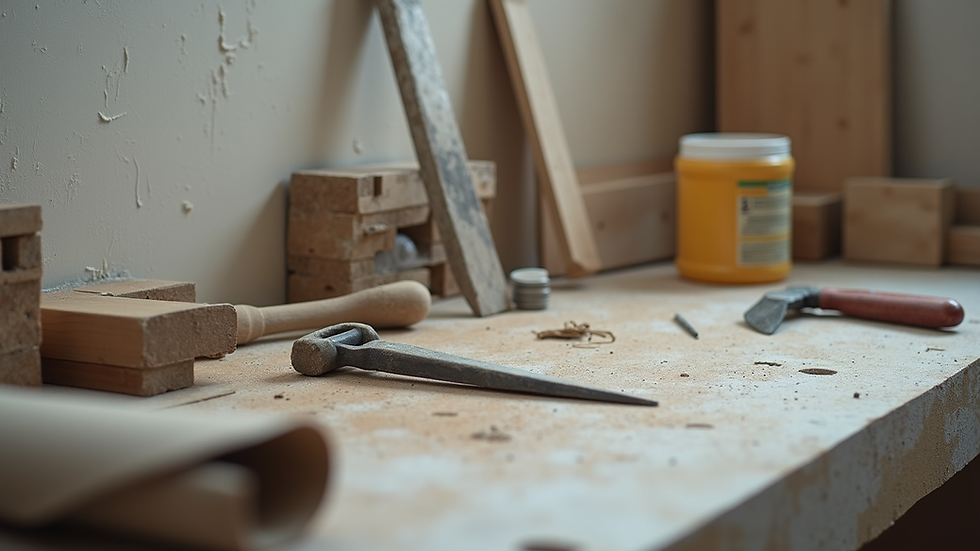
Professional contractors use specialized tools like drywall knives, sanding blocks, and spray texture machines. While these are usually included in labor costs, DIY repairs might require you to purchase or rent some tools.
How to Save on Drywall Repair Expenses
Nobody likes to spend more than necessary on repairs. Here are some practical tips to keep your drywall repair expenses manageable:
Assess the damage early - Fixing small issues before they grow can save you money.
Get multiple quotes - Comparing prices from different contractors helps you find the best deal.
Consider DIY for minor repairs - Small holes and dents can often be fixed with a patch kit and some patience.
Bundle repairs - If you have multiple areas needing attention, ask if the contractor offers a discount for combined jobs.
Maintain your walls - Avoid moisture buildup and handle minor damages promptly to prevent costly repairs.
Why Professional Repair is Worth It
While DIY might seem tempting, professional drywall repair offers several advantages:
Quality finish: Pros ensure the repair blends perfectly with your existing walls.
Time-saving: Experienced contractors complete the job quickly and efficiently.
Long-lasting results: Proper techniques prevent future cracking or damage.
Safety: Professionals handle any hidden issues like mold or structural problems.
Investing in professional repair can save you money and stress in the long run.
Planning Your Drywall Repair Budget
Now that you understand the factors influencing drywall repair expenses, how do you plan your budget?
Start by inspecting the damage carefully.
Decide if the repair is something you can handle or if you need a professional.
Contact local contractors for estimates.
Factor in materials, labor, and any additional costs.
Set aside a little extra for unexpected issues.
If you want a reliable estimate tailored to your needs, checking out drywall repair cost resources can be a great starting point.
Taking the Next Step with Confidence
Drywall repair might seem daunting at first, but with the right information, you can approach it confidently. Whether you choose to tackle minor repairs yourself or hire a professional, understanding the factors that affect drywall repair expenses helps you make smart decisions.
Remember, a well-maintained wall not only looks great but also protects your property’s value. So don’t wait for small problems to become big ones. Take action today and enjoy a smooth, beautiful finish that lasts.
If you’re ready to get started or want expert advice, reaching out to trusted local professionals can make all the difference. Your walls will thank you!


Comments